Thank you! Here's your code!
HAUTEARTINTROOops! Something went wrong while submitting the form.
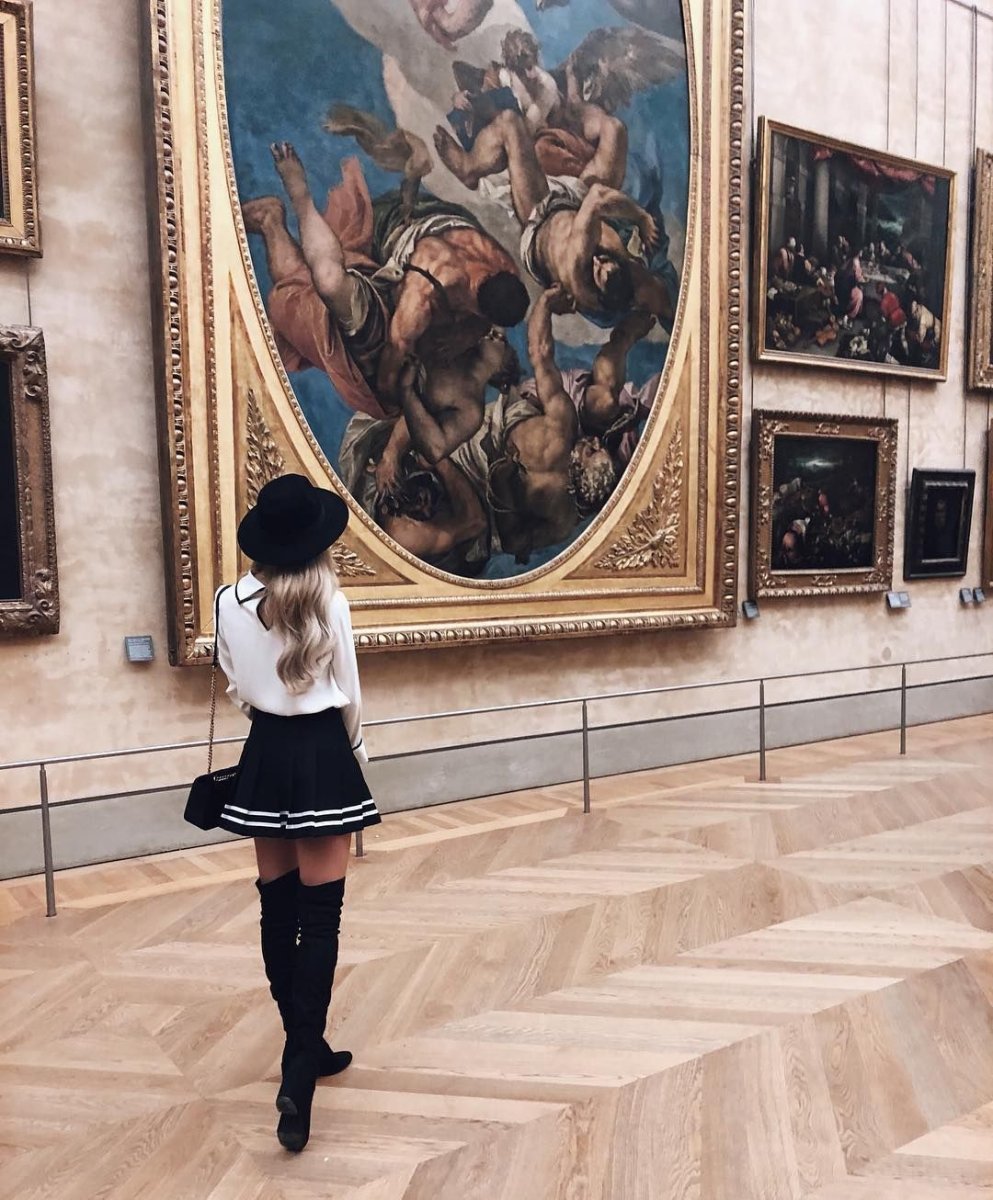
When adoctor says “try to stress less,” I always want to add: “and visit museums moreoften.”
In the21st century, that’s no longer a joke — it’s a measurable, evidence-based fact.
A growingbody of research shows that art is not just cultural enrichment or emotionalcomfort; it is a genuine health resource. It affects the body almost astangibly as sleep, exercise, or nutrition — only more subtly and morebeautifully.
Art asmedicine long before medicine existed
Forthousands of years, art was a healer without credentials.
In ancienttemples, patients were advised to look at murals and listen to music to“restore the spirit.” Renaissance hospitals displayed biblical scenes not fordecoration, but because they calmed the sick.
Peoplesensed that beauty could heal — they just didn’t yet know how to prove it.
When artentered the WHO reports
In 2019,the World Health Organization made a landmark statement: art affects health inmeasurable ways.
Thescoping review by Daisy Fancourt and Saoirse Finn — “What is the evidence onthe role of the arts in improving health and well-being?” — synthesized overthree thousand studies from around the world.
As theauthors write:
“Artsactivities can be considered as complex or multimodal interventions in thatthey combine multiple components that are all known to be health-promoting.”
In otherwords, when we engage with art — watching a painting, listening to music,drawing, or participating in a creative workshop — we simultaneously activateemotional, cognitive, sensory, social, and sometimes even physical mechanisms.
Together,they influence stress levels, immune function, cardiovascular health, cognitiveaging, and overall well-being.
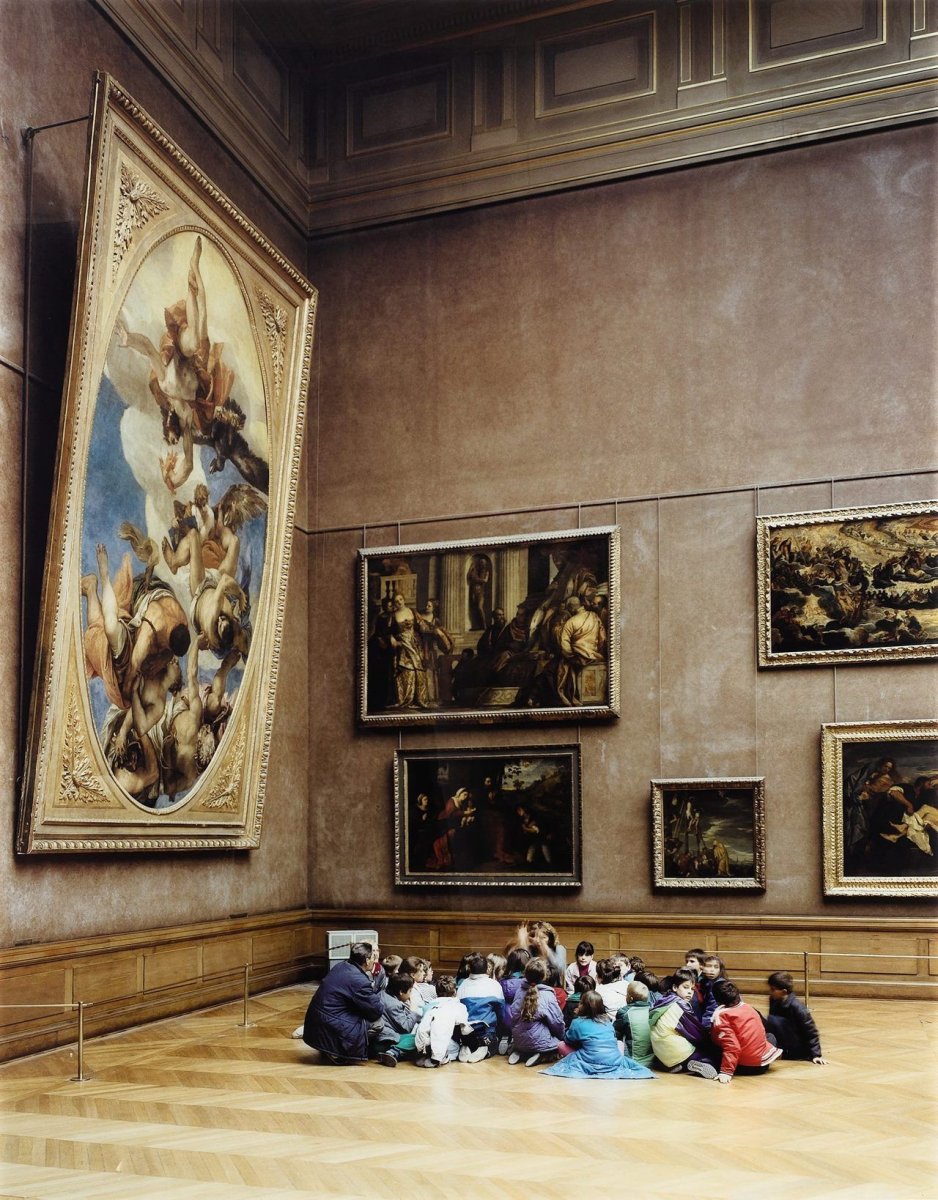
Whathappens to the body when we look at art
Abreakthrough moment came in 2021 with a BMJ Open review:
“Evidencefor the effects of viewing visual artworks on stress outcomes” (Law, Karulkar& Broadbent).
Researchersanalyzed fourteen experiments in which people simply looked at visual art,while scientists measured physiological changes — blood pressure, heart rate,cortisol.
Theresults were astonishingly consistent:
“13 of the14 studies on self-reported stress reported reductions after viewing artworks,and all of the four studies that examined systolic blood pressure reportedreductions.”
— BMJOpen, 2021, e043549
In plainlanguage:
mostparticipants felt calmer, their blood pressure dropped, and their bodiesshifted into a restorative mode — after nothing more than viewing art.
Even morestriking are recent studies from King’s College London (2025): museum visitorswho viewed original artworks at the Courtauld Gallery showed a 22% reduction incortisol and decreases of up to 30% in inflammatory markers like IL-6 and TNF-α.
Art didn’tjust move them emotionally — it altered their biochemistry.
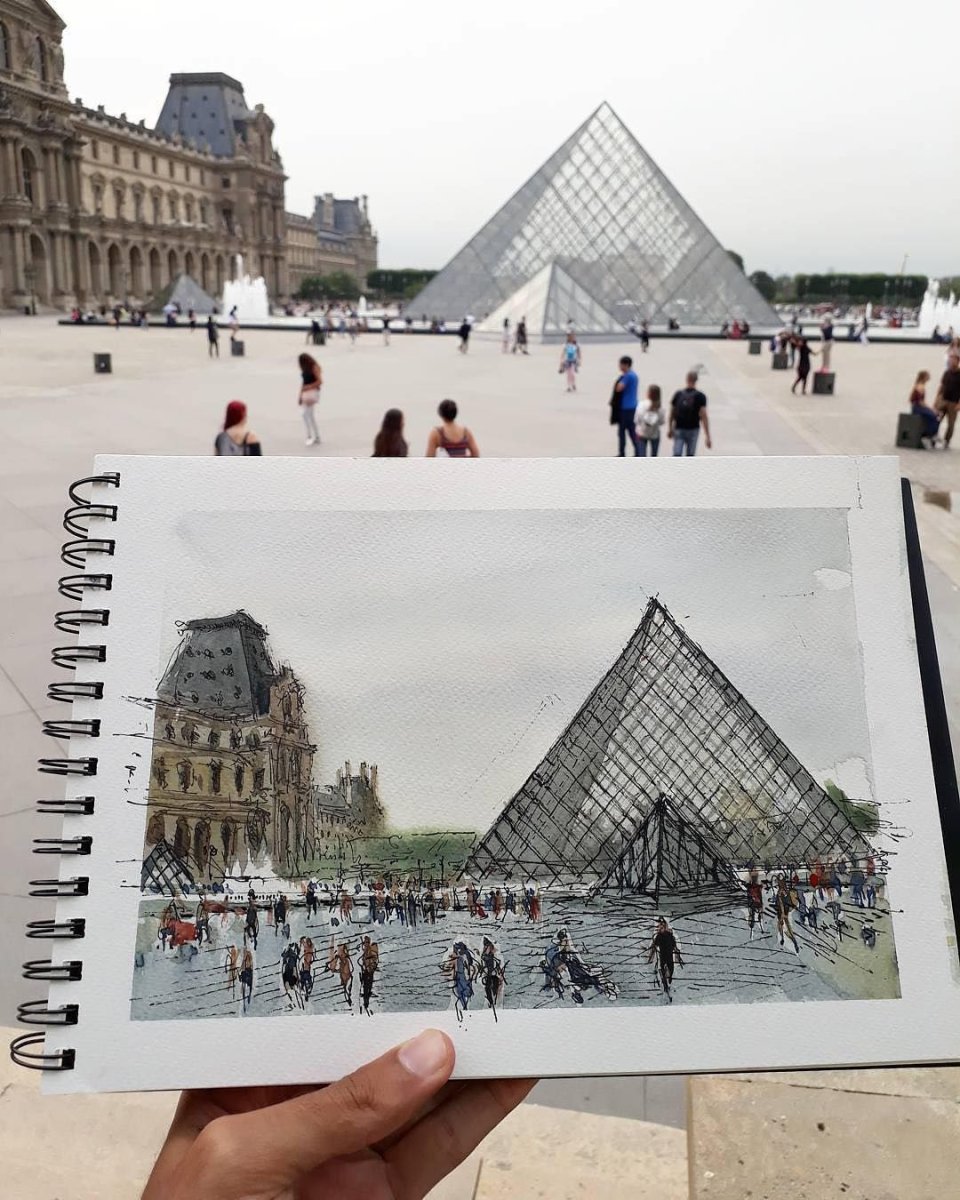
Whencreating becomes healing
If passiveviewing is beneficial, active creation is even more powerful.
Therandomized controlled trial “Effects of Clay Art Therapy on Adults Outpatientswith Major Depressive Disorder” (Nan & Ho, 2017) demonstrated that patientswith major depression who participated in clay-based art therapy showedsignificantly greater improvements than those receiving medication alone.
A laterstudy by Lee et al. (2022) confirmed this effect:
“Addingart therapy to ongoing antidepressant treatment resulted in greater reductionsin depressive symptoms and anxiety as well as improved social functioning.”
For olderadults, results are equally striking.
In BMJ Open(Ho et al., 2019), participation in visual arts programs improved cognitivefunctioning, reduced loneliness, and increased life satisfaction — criticalfactors for healthy aging.
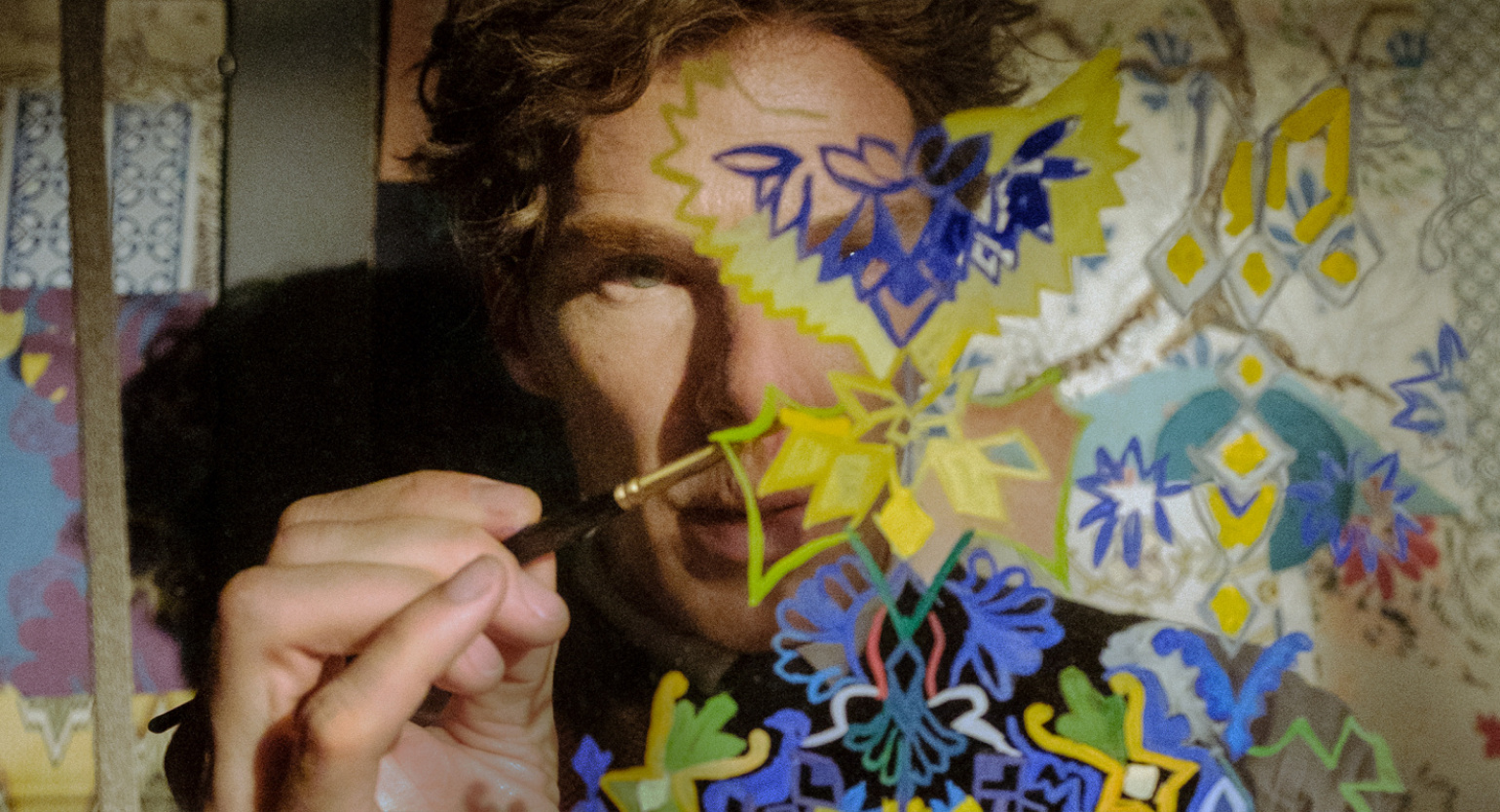
Why itworks: five invisible mechanisms
1.Attentional shift
Artinterrupts rumination and redirects mental focus — a key factor in stressreduction.
2.Emotional release
Paintings,music, and sculpture offer safe, structured spaces for powerful emotions,helping regulate affect without suppression.
3.Connection and belonging
Museums,workshops, and performances foster social interaction — an essential bufferagainst loneliness, one of the strongest predictors of poor health.
4.Cognitive stimulation
Interpretingimagery and symbolism engages memory, reasoning, imagination — mechanismsstrongly tied to resilience against cognitive decline.
5.Physiological modulation
Lowercortisol, reduced blood pressure, improved heart-rate variability — thesearen’t metaphors; they are documented biological reactions to art engagement.
Art aspart of the future of public health
Today, noserious conversation about public health ignores arts and culture.
The WHOstates:
“Engagingwith the arts can support prevention of ill health and promotion of well-beingat both individual and community levels.”
— Fancourt& Finn, 2019
This hasprofound implications:
• For cities, museums and galleries become part of

.png)

.png)

.png)


%20(1).jpg)